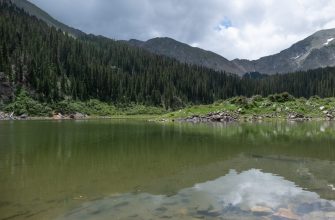
Zuni Salt Lake (Ma’l Okyattsik’i, the “Salt Mother”) is one of the most sacred places in the Southwest — a shallow, salty crater lake on the high plains of Catron County, New Mexico, about 60 miles south of Zuni Pueblo. For centuries, Pueblo and other Native peoples have made pilgrimages here to gather salt. It is a holy site, not a recreation lake, and we cover it here purely for understanding and respect. This guide is part of our growing New Mexico Lakes Database.
Zuni Salt Lake at a glance
- Location: Catron County, about 60 miles south of Zuni Pueblo, west-central New Mexico
- What it is: a maar — a shallow volcanic-crater lake — fed by salty springs and runoff
- Depth: very shallow, only about 4 feet even in wet seasons; elevation ~6,224 ft
- Significance: sacred to the Zuni, Acoma, Laguna, Hopi, Navajo and Apache peoples
- Access: sacred site — not open for recreation; returned to Zuni control in 1985
A sacred lake, not a resort
Zuni Salt Lake is the home of Ma’l Okyattsik’i, the Salt Mother, in Zuni tradition — a deity as old as the people themselves. For generations, ancient trails radiated out from the lake to Zuni, Acoma, Hopi and even the great houses of Chaco Canyon, as pilgrims traveled here to gather salt for food and ceremony. That living relationship continues today, which is why the lake is treated with profound respect and is closed to ordinary recreation.
Geology and wildlife
The lake sits in a maar, a broad crater blasted out tens of thousands of years ago when rising magma met groundwater. Salty water collects from runoff and from underground salt beds, and in dry spells much of it evaporates to bright white salt flats. Little can live in such briny water — mainly brine shrimp, alkali flies and hardy cyanobacteria — yet the lake and its cinder cones are a striking sight on the high desert.
Protection and history
The U.S. government returned the lake and about 5,000 surrounding acres to the Zuni in 1985, and the site was listed on the National Register of Historic Places in 1999. In the late 1990s and early 2000s, a proposed coal mine that would have drawn down the aquifer feeding the lake was defeated after years of legal and public pressure — a landmark victory for the protection of sacred Native lands.
Visiting respectfully
- Not a recreation lake: no fishing, boating or swimming — this is a sacred, protected site.
- Respect the Zuni: access is controlled; treat the area and its cultural importance with care.
- For fishing nearby, see our guides to New Mexico’s public lakes and reservoirs.
Frequently asked questions
Can you visit or swim at Zuni Salt Lake?
No — Zuni Salt Lake is a sacred site returned to the Zuni people, not a recreation area. There is no fishing, boating or swimming; it is protected for its cultural and religious importance.
Why is Zuni Salt Lake sacred?
It is the home of the Salt Mother, Ma’l Okyattsik’i, and for centuries Pueblo and other Native peoples made pilgrimages here to gather salt for food and ceremony.
What kind of lake is it?
A maar — a shallow volcanic-crater lake — only about four feet deep, salty enough that only brine shrimp, alkali flies and cyanobacteria live in it.
Related: explore more small lakes of New Mexico, or head back to the New Mexico Lakes Database.
Explore more New Mexico lakes: the largest lakes in New Mexico and the deepest lakes in New Mexico.