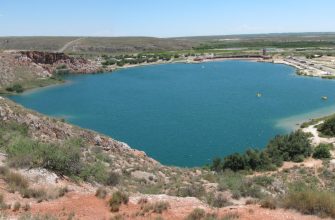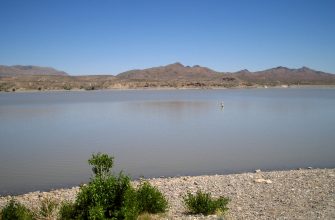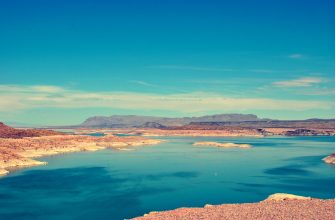
New Mexico’s deepest lakes are its big river reservoirs, where the water plunges hundreds of feet near towering dams – cold, clear depths that hold lake trout, kokanee salmon and trophy bass. If you’re asking which lakes in New Mexico are the deepest, this guide ranks them by maximum depth, led by Navajo Lake on the San Juan. Each links to our full lake guide. This page is part of our New Mexico Lakes Database.
- The deepest lakes in New Mexico, ranked
- Why depth matters in New Mexico
- Frequently asked questions
- What is the deepest lake in New Mexico?
- Which New Mexico lakes have kokanee salmon and lake trout?
- Are New Mexico lakes affected by drought?
- Quick answers about New Mexico lakes
- What is the deepest lake in New Mexico?
The deepest lakes in New Mexico, ranked
- Navajo Lake – 300+ ft. The deepest lake in New Mexico. Backed up behind one of the tallest dams in the state, Navajo’s cold, deep water holds lake trout, kokanee salmon and smallmouth bass – and feeds the legendary San Juan trout tailwater below.
- Elephant Butte Reservoir – deep near the dam. New Mexico’s largest lake is also one of its deepest near the dam, with plenty of cool water for walleye, white bass and big catfish.
- Heron Lake – deep & cold. A deep northern-mountain lake managed as a quiet no-wake lake, cold enough for kokanee salmon and lake trout.
- El Vado Lake – deep. A deep Rio Chama reservoir near Heron, with kokanee, trout and good summer boating.
- Abiquiu Lake – deep near the dam. A scenic Rio Chama reservoir that runs deep near its dam, holding bass, walleye, catfish and trout.
- Bluewater Lake – moderately deep. A high-desert lake west of Grants, deep enough to hold over its stocked trout and its tiger muskie.
- Eagle Nest Lake – high & cool. A high-elevation lake in the Moreno Valley, not extremely deep but cold year-round, with trout and kokanee.
- Caballo Lake – deep near the dam. The Rio Grande reservoir below Elephant Butte, deepest near its dam, with bass, walleye and catfish.
Why depth matters in New Mexico
In a hot, dry state, depth means cold water – and cold water means trout and salmon. The deepest lakes here (Navajo, Heron, El Vado in the north) are the ones that hold lake trout and kokanee salmon through the summer, making them New Mexico’s premier cold-water fisheries. The big southern reservoirs like Elephant Butte and Caballo are deep near their dams but warm overall, so they’re bass, walleye and catfish lakes. Reservoir depth also swings with drought, so check current levels before a trip.
Frequently asked questions
What is the deepest lake in New Mexico?
Navajo Lake, on the San Juan River, is the deepest lake in New Mexico – more than 300 feet deep near its dam, with lake trout, kokanee salmon and the famous San Juan trout water downstream.
Which New Mexico lakes have kokanee salmon and lake trout?
The deep northern lakes – Navajo, Heron and El Vado – are the state’s main kokanee salmon and lake trout waters, with Eagle Nest also holding kokanee.
Are New Mexico lakes affected by drought?
Yes – as reservoirs, New Mexico’s lakes can drop significantly in dry years, so always check current water levels before launching.
Related: see the largest lakes in New Mexico, the New Mexico trout lakes, or head back to the New Mexico Lakes Database.
Quick answers about New Mexico lakes
What is the deepest lake in New Mexico?
Navajo Lake is among the deepest lakes in New Mexico (over 400 feet near the dam); Heron and El Vado are also deep, cold mountain reservoirs.