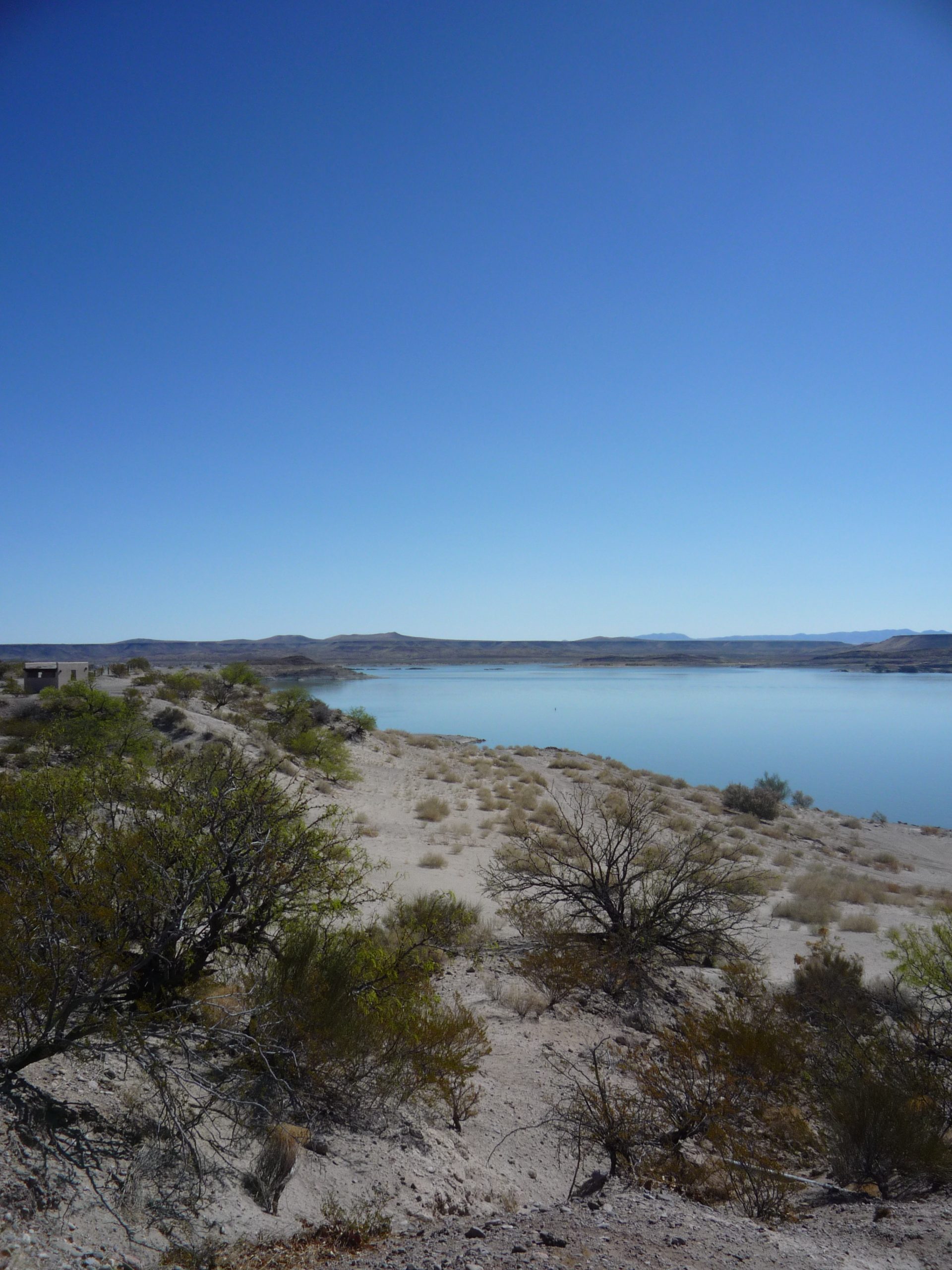
Elephant Butte Reservoir is the largest lake in New Mexico – a vast Rio Grande reservoir stretching some 40 miles through the desert near Truth or Consequences, and the beating heart of the state’s biggest and most popular state park. With more than 36,000 acres of water at full pool, a sun-soaked climate, sandy beaches and a deep fishery for bass, walleye and catfish, “the Butte” is New Mexico’s premier destination for boating, fishing and lakeside fun.
This guide covers Elephant Butte top to bottom: the history and the namesake butte, the fishing, the boating and beaches, the state park, and how to plan a visit. It’s part of our growing New Mexico Lakes Database.
- Elephant Butte at a glance
- The butte and the dam
- Fishing Elephant Butte
- Boating, beaches and water sports
- Elephant Butte Lake State Park
- Water levels and the desert setting
- Getting there and what’s nearby
- Know before you go
- Frequently asked questions
- How big is Elephant Butte Reservoir?
- What fish are in Elephant Butte?
- Why is it called Elephant Butte?
- Can you camp on the beach at Elephant Butte?
- Where is Elephant Butte Reservoir?
Elephant Butte at a glance
- Surface area: ~36,000+ acres at full pool – the largest lake in New Mexico (about 40 miles long)
- Location: Sierra County, southern New Mexico (near Truth or Consequences)
- Built: Elephant Butte Dam on the Rio Grande, completed 1916 (U.S. Bureau of Reclamation)
- State park: Elephant Butte Lake State Park – New Mexico’s largest and most-visited
- Top fish: largemouth, smallmouth & white bass, walleye, channel & flathead catfish, crappie, bluegill
The butte and the dam
The lake takes its name from a distinctive landmark: a worn, elephant-shaped volcanic core – the “Elephant Butte” – that rises as an island in the reservoir. The Elephant Butte Dam, completed in 1916, was one of the earliest major projects of the U.S. Bureau of Reclamation, built to store the Rio Grande’s erratic flow for irrigation across southern New Mexico and into Texas and Mexico. More than a century later, the dam still anchors the region’s farms – and created the recreational giant that the lake is today.
Fishing Elephant Butte
Elephant Butte is one of the top warmwater fisheries in the Southwest, with a deep and varied species list:
- Largemouth and smallmouth bass – the headline gamefish, on the rocky points, coves and submerged structure.
- White bass – abundant and fast-biting, often in big schools.
- Walleye – a strong population, prized by anglers who fish deep.
- Channel and flathead catfish – including big flatheads.
- Crappie and bluegill round out the catch.
A New Mexico fishing license is required. The lake hosts major bass tournaments, and its size means there’s always productive water somewhere – though anglers should watch the fluctuating water level, which can change access and structure dramatically.
Boating, beaches and water sports
With tens of thousands of acres of open water and a warm, sunny climate, Elephant Butte is built for boating. Marinas at the Dam Site, Marina del Sur and Rock Canyon offer ramps, rentals, slips and houseboats, and the lake buzzes with powerboats, jet-skis, water-skiers, sailboats and paddlers all season. Long sandy beaches – rare in landlocked New Mexico – draw swimmers and campers, and holiday weekends turn the lake into the state’s biggest aquatic party.
Elephant Butte Lake State Park
The lake is wrapped by Elephant Butte Lake State Park, the largest and most popular in New Mexico, with extensive campgrounds (developed and primitive), beaches, boat ramps, a visitor center and miles of shoreline. Camping right on the beach is a signature experience, and the park’s facilities support everything from a quiet fishing trip to a big family boating weekend.
Water levels and the desert setting
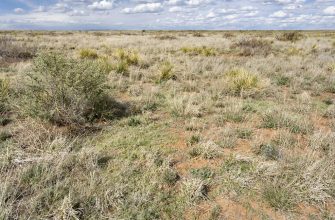
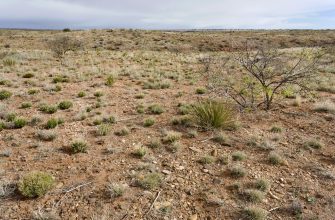
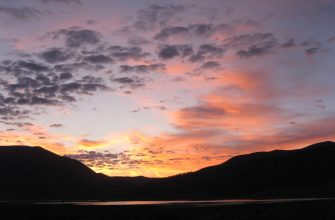
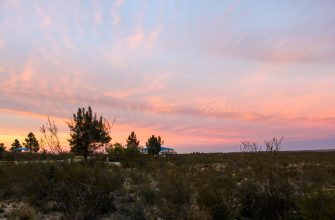
As a Rio Grande irrigation reservoir in an arid basin, Elephant Butte’s level rises and falls significantly with snowpack, drought and downstream demand – in dry years it can drop dramatically, exposing wide beaches and changing boat-ramp access. Always check the current lake level and ramp status before a trip. The desert and mountain scenery, the famous New Mexico light, and spectacular sunsets are constants.
Getting there and what’s nearby
Elephant Butte is just off I-25 beside the town of Elephant Butte and Truth or Consequences (“T or C”), about 1.5 hours north of Las Cruces and 2.5 hours south of Albuquerque. T or C is famous for its hot springs, and Caballo Lake lies just downstream. Spaceport America and the Bosque del Apache wildlife refuge are nearby.
Know before you go
- Fishing license: a New Mexico license is required.
- Check the water level: it fluctuates a lot – confirm ramp and beach access before you go.
- Sun & heat: the desert sun is intense – bring shade, water and sunscreen.
- Best seasons: spring and fall for bass and walleye; summer for boating and beaches (and crowds).
Frequently asked questions
How big is Elephant Butte Reservoir?
More than 36,000 acres at full pool and about 40 miles long – the largest lake in New Mexico.
What fish are in Elephant Butte?
Largemouth, smallmouth and white bass, walleye, channel and flathead catfish, crappie and bluegill – one of the Southwest’s top warmwater fisheries.
Why is it called Elephant Butte?
For a worn, elephant-shaped volcanic core that rises as an island in the reservoir.
Can you camp on the beach at Elephant Butte?
Yes – Elephant Butte Lake State Park, New Mexico’s largest, offers beach and developed camping, plus marinas, ramps and boat rentals.
Where is Elephant Butte Reservoir?
In Sierra County, southern New Mexico, off I-25 by Truth or Consequences, about 1.5 hours north of Las Cruces.
Related: explore more of the largest lakes in New Mexico, or head back to the New Mexico Lakes Database.
Explore more New Mexico lakes: the largest lakes in New Mexico and the deepest lakes in New Mexico.