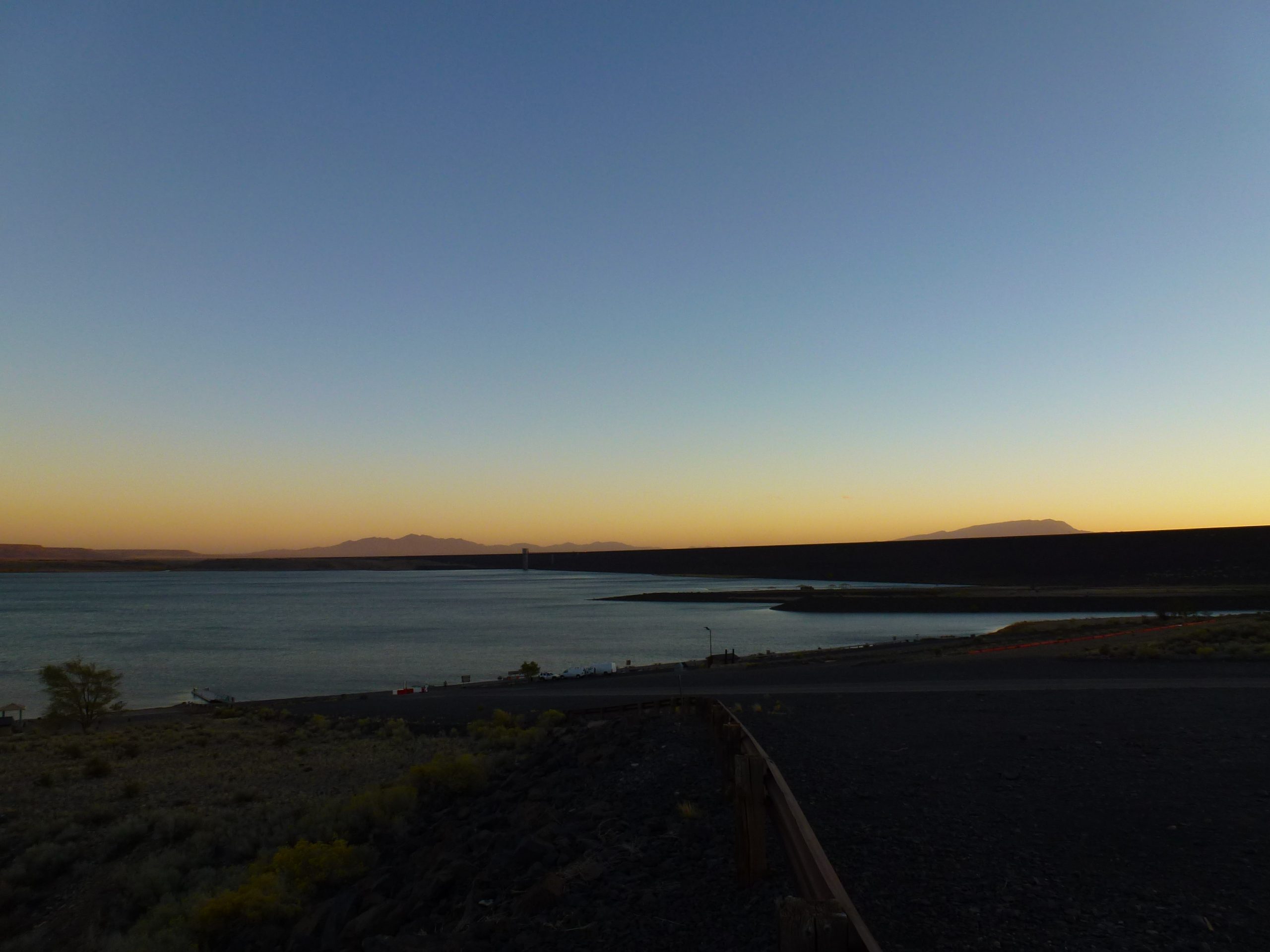
Cochiti Lake is the sailing-and-quiet-water gem between Santa Fe and Albuquerque – a 1,200-acre Rio Grande reservoir held behind one of the largest earthen dams in the country, on the lands of Cochiti Pueblo. As a no-wake lake, it’s a haven for sailing, kayaking and windsurfing, with fishing, a swimming beach and the surreal Tent Rocks nearby – a peaceful contrast to New Mexico’s big powerboat reservoirs.
This guide covers Cochiti Lake: the no-wake recreation, the fishing, the setting, and access. It’s part of our growing New Mexico Lakes Database.
Cochiti Lake at a glance
- Surface area: ~1,200 acres on the Rio Grande
- Location: Sandoval County, north-central New Mexico (between Santa Fe & Albuquerque, at Cochiti Pueblo)
- Built: Cochiti Dam, completed 1973 (U.S. Army Corps of Engineers) – one of the largest earth-fill dams in the U.S.
- Top fish: largemouth bass, catfish, crappie, walleye, northern pike, stocked trout
A no-wake sailing lake
Cochiti is managed as a no-wake lake – only electric motors and sail/paddle craft, no high-speed boating – which makes it one of the best sailing, windsurfing and kayaking waters in New Mexico. On a breezy day the lake fills with sails, and the calm, quiet water (and its closeness to both Santa Fe and Albuquerque) makes it a favorite for paddlers and a relaxed swim. A swimming beach and a recreation area with campgrounds serve visitors.
Fishing Cochiti Lake
The lake offers a surprisingly varied fishery: largemouth bass, catfish, crappie and walleye, with northern pike and seasonally stocked trout as well. A New Mexico fishing license is required. The no-wake rule keeps the water calm for fishing from kayaks, canoes and small boats, and the quiet coves hold fish.
The setting and Tent Rocks
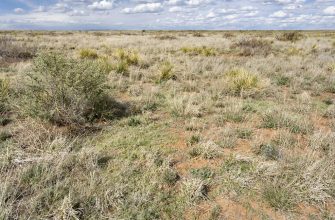
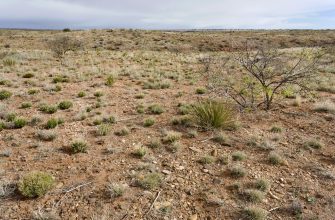
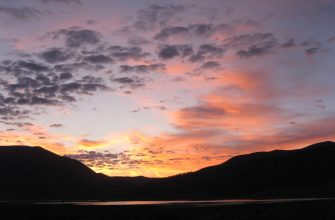
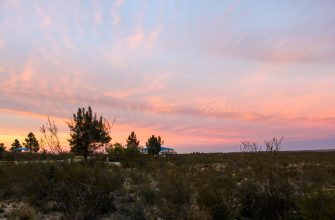
Cochiti sits in a dramatic landscape on Cochiti Pueblo land, framed by the Sandia and Jemez mountains. Just nearby is the otherworldly Kasha-Katuwe Tent Rocks National Monument, where cone-shaped rock formations and a slot canyon make one of the most striking hikes in New Mexico. The combination of quiet-water recreation and surreal scenery makes Cochiti a rewarding day trip from either city. Please respect Pueblo lands and posted rules.
Getting there and what’s nearby
Cochiti Lake is off I-25 between Santa Fe and Albuquerque, about 40 minutes from either city. Kasha-Katuwe Tent Rocks, the Pueblo communities and the Rio Grande corridor are nearby.
Know before you go
- Fishing license: a New Mexico license is required.
- No-wake lake: sailing, paddling and electric motors only – no powerboating.
- Pueblo land: respect Cochiti Pueblo rules and any closures; Tent Rocks access can vary.
Frequently asked questions
Can you use a motorboat on Cochiti Lake?
No – Cochiti is a no-wake lake limited to electric motors and sail/paddle craft, which makes it one of New Mexico’s best sailing and kayaking lakes.
What fish are in Cochiti Lake?
Largemouth bass, catfish, crappie, walleye, northern pike and seasonally stocked trout.
Where is Cochiti Lake?
In Sandoval County, off I-25 between Santa Fe and Albuquerque, about 40 minutes from either city, on Cochiti Pueblo land.
Related: explore more of the largest lakes in New Mexico, or head back to the New Mexico Lakes Database.
Explore more New Mexico lakes: the largest lakes in New Mexico and the deepest lakes in New Mexico.